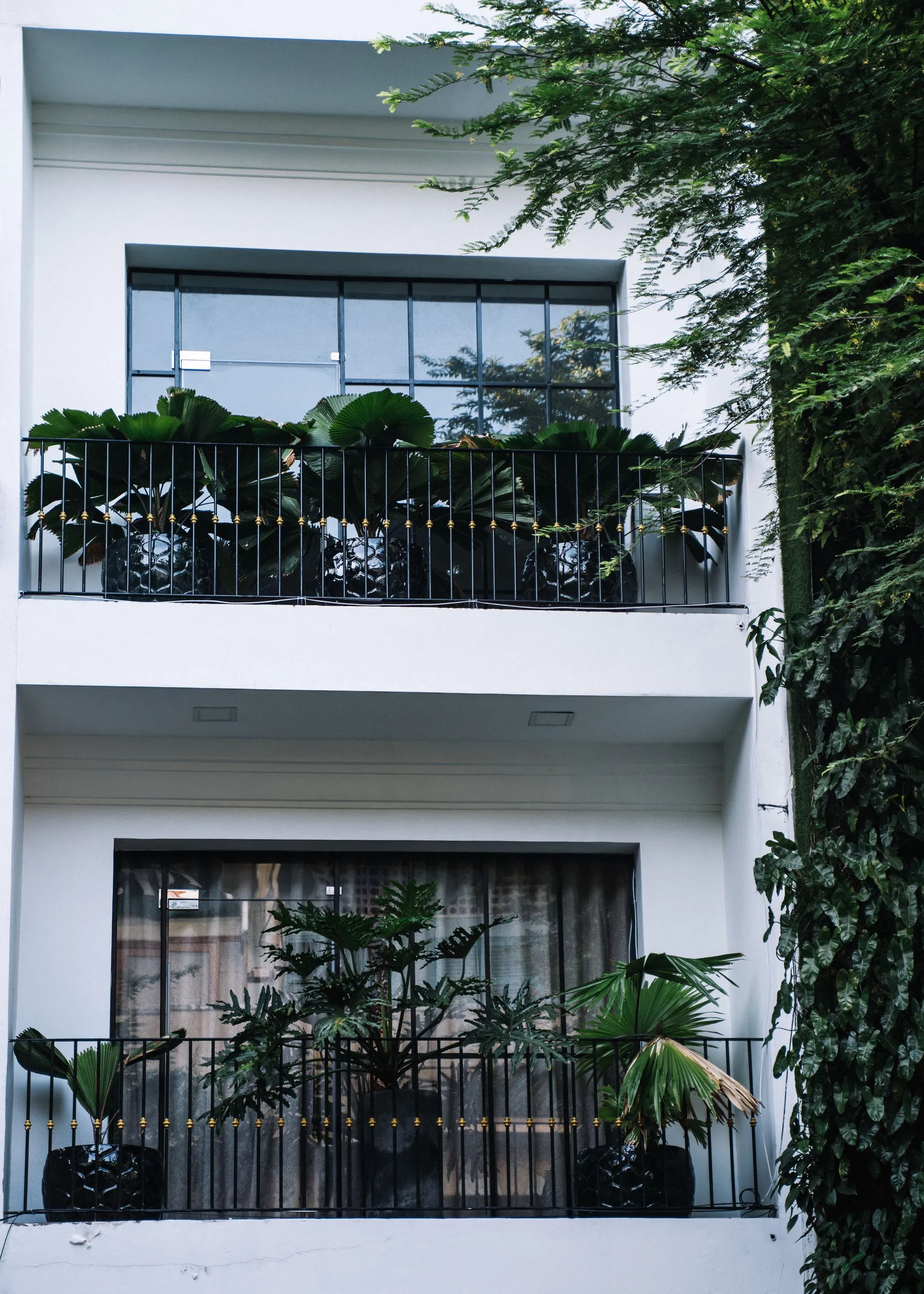

Drainage by exposure
A wrought-iron planter has no natural drainage into the ground the way open soil does: excess water needs to drain out through the bottom of the liner, or risk suffocating the roots. The right setup mostly depends on exposure, and therefore on the watering rhythm.
| Exposure | Usual watering rhythm | Recommended drainage |
|---|---|---|
| Full sun | Daily in summer | 3 to 4 cm layer of clay pebbles |
| Partial shade | Every 2 to 3 days | 2 to 3 cm layer of clay pebbles |
| Shade | Weekly | 2 cm layer of clay pebbles, watch for standing water |
The layer of expanded clay pebbles has a double role: it drains excess water at the bottom of the box and it lightens the whole thing — an important point on a balcony where the admissible load may be limited by the building rules.
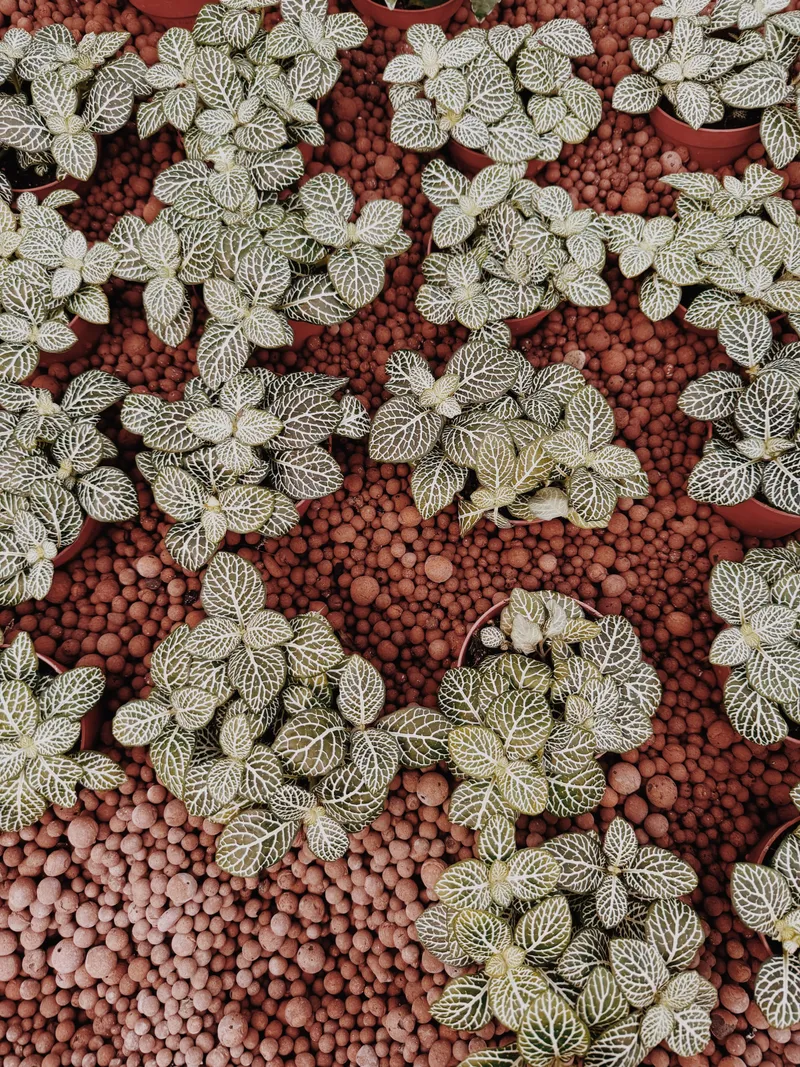
Preserving the liner over time
A zinc liner develops a natural grey patina over time, with no particular upkeep. A stainless-steel liner only needs occasional rinsing. In both cases, avoiding permanent standing water at the bottom of the box clearly extends the liner's lifespan — see the comparison of liners available.
The wrought-iron structure
The structure's epoxy paint doesn't need regular upkeep — a clean-water wash after winter is enough to remove soil or pollen built up on the bars.