When made to measure becomes necessary
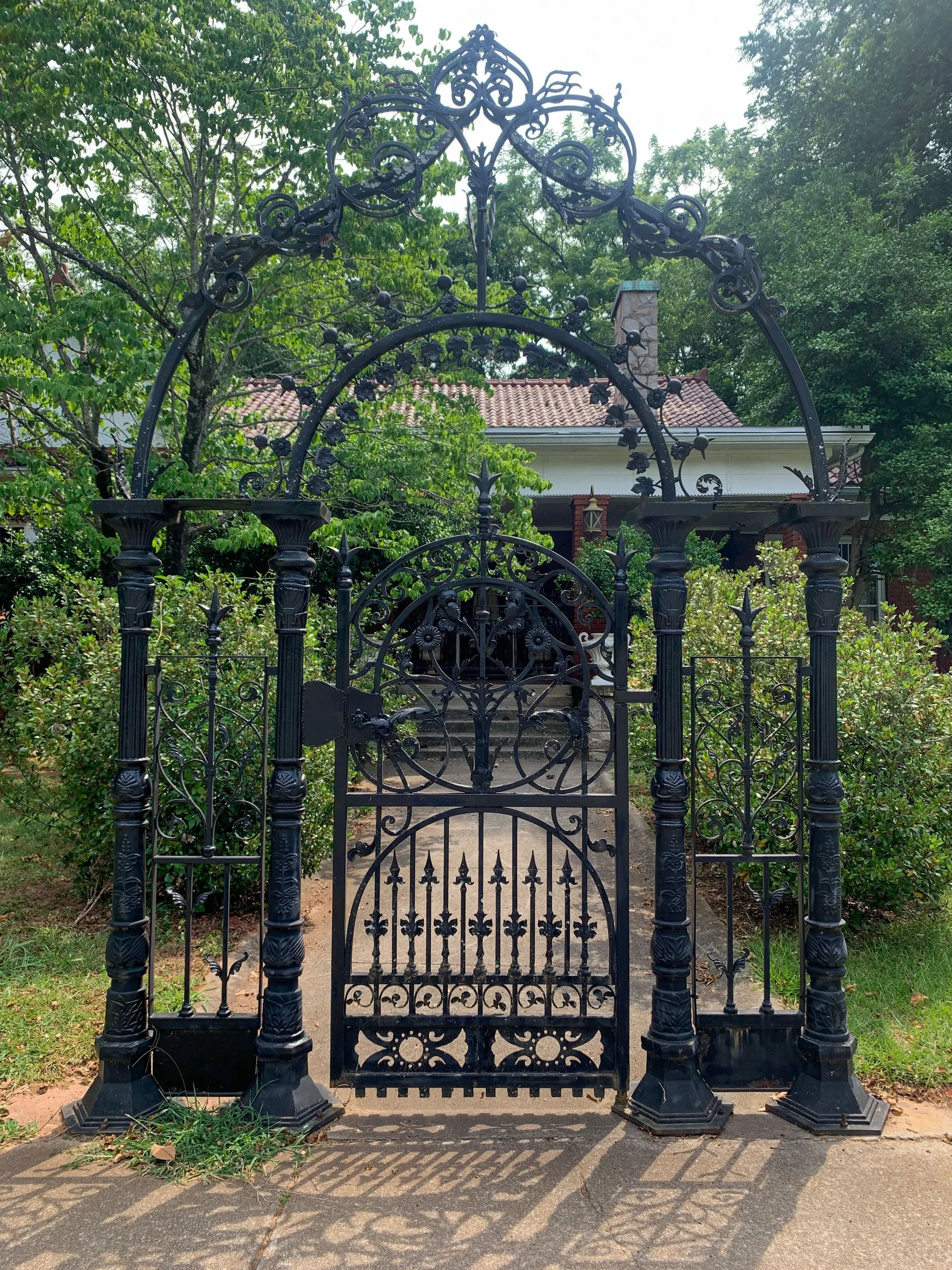
Three situations systematically call for a planter drawn to your own dimensions rather than a catalogue size.
- An unusual windowsill
- A narrow windowsill, a balcony corner or a terrace recess where no standard size fits without overshooting.
- A large format
- An XL planter used as a space divider on a terrace, whose length exceeds the usual catalogue sizes.
- Several planters aligned
- Several identical planters placed side by side along a balcony or a façade, whose dimensions must match the available space exactly.
Weight, a factor to plan for on a balcony
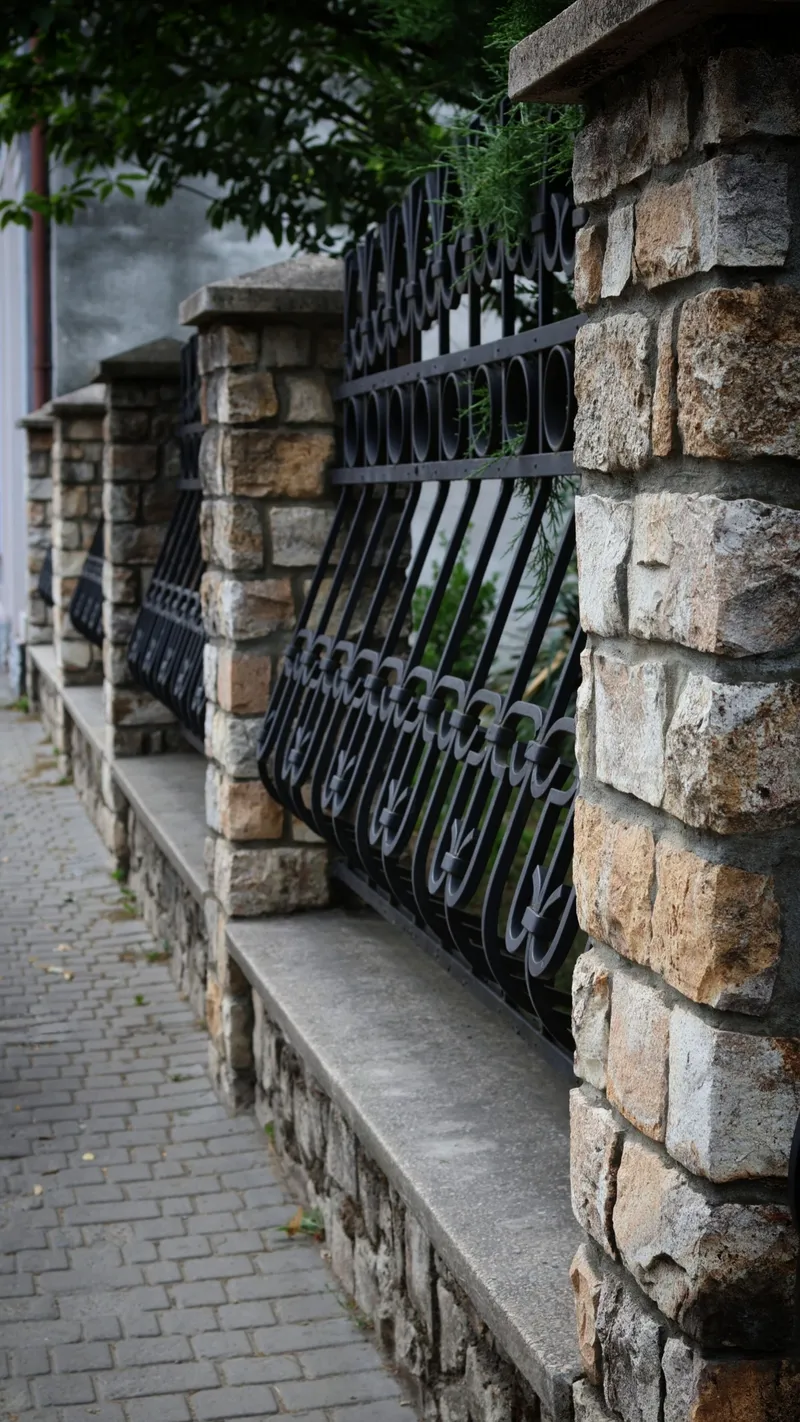
There's no single load threshold that applies to every balcony: the limit depends on your building and, in a co-owned building, on the building rules — worth checking with the building manager for a large format. To lighten the whole thing without harming drainage, the workshop can plan a layer of expanded clay pebbles at the bottom of the box rather than a full depth of soil.
The bars, designed around the use
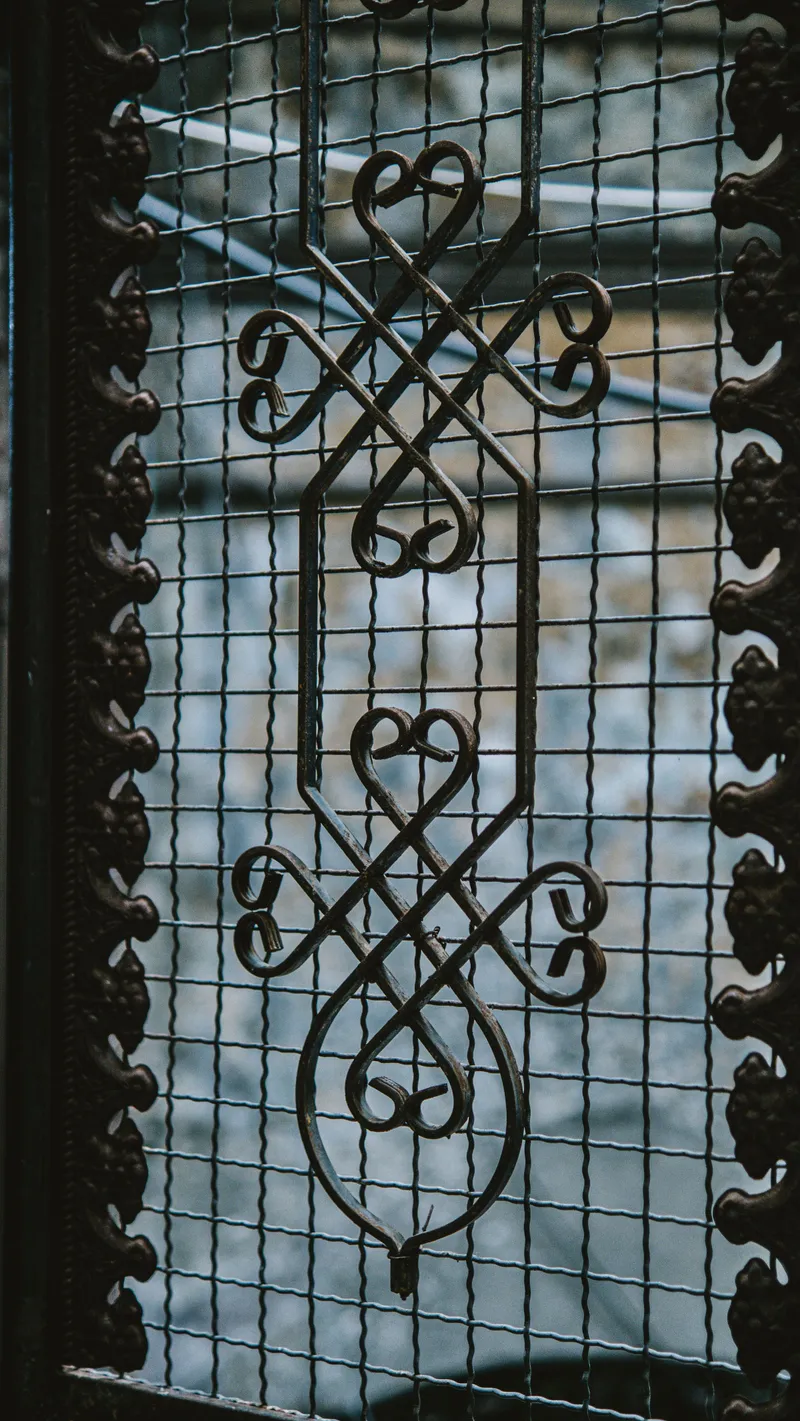
In a made-to-measure piece, the spacing between the bars and the thickness of the iron are decided together with the planting planned: tighter spacing suits a dense, trailing planting, wider spacing shows more of the liner and suits a more mineral use (grasses, small shrubs).
A made-to-measure piece takes more forging time than a catalogue size — see the standard sizes if no particular constraint applies to your location, and the price breakdown for an initial range.